
Managing Multiple Titles
Multiple titles overview
Multiple Titles occur when a single contract involves more than one property, such as a unit and car space, or multiple lots in a subdivision. Curia automatically creates individual Title entries for each Title Reference detected on the contract front page.
Each Title can have:
- Different plan types (Deposited, Strata, Auto Consol)
- Its own title chain with associated Title Searches
- A unique nickname for easy identification
Registered vs unregistered contracts
The Title registration setting is a contract-level classification that determines how titles are displayed and managed throughout the review. This setting is automatically determined based on the contract particulars but can be manually changed if needed.
- Registered - standard property purchases where titles are already registered with NSW Land Registry Services. Titles appear in a single unified list.
- Unregistered (Off the plan) - purchases where the lots are not yet registered. Titles are split into Proposed Titles and Parent Titles.
Supported title structures
Curia supports virtually all NSW title structures depending on the property type and configuration:
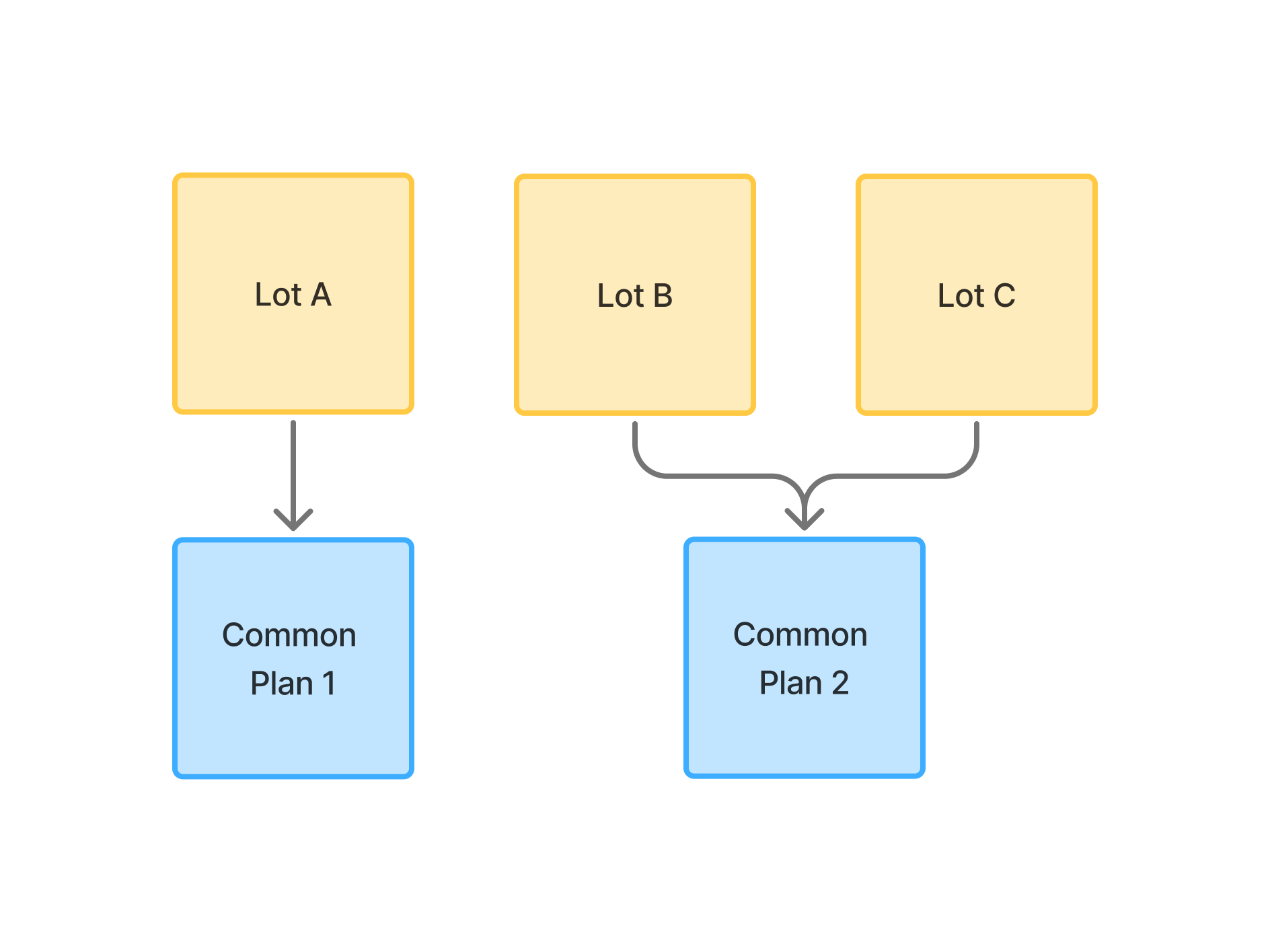
Single Deposited Plan Title

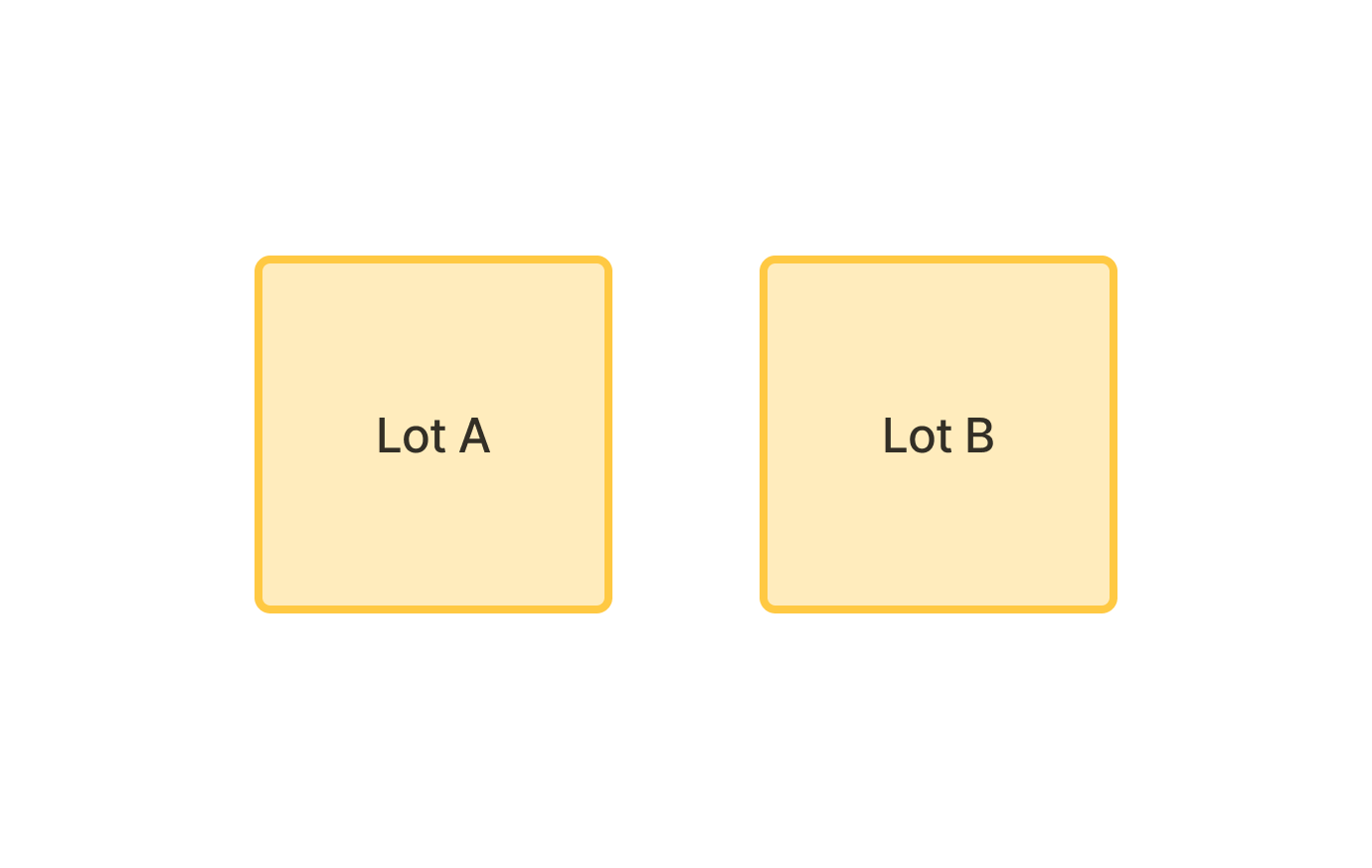
Multiple Deposited Plan Titles
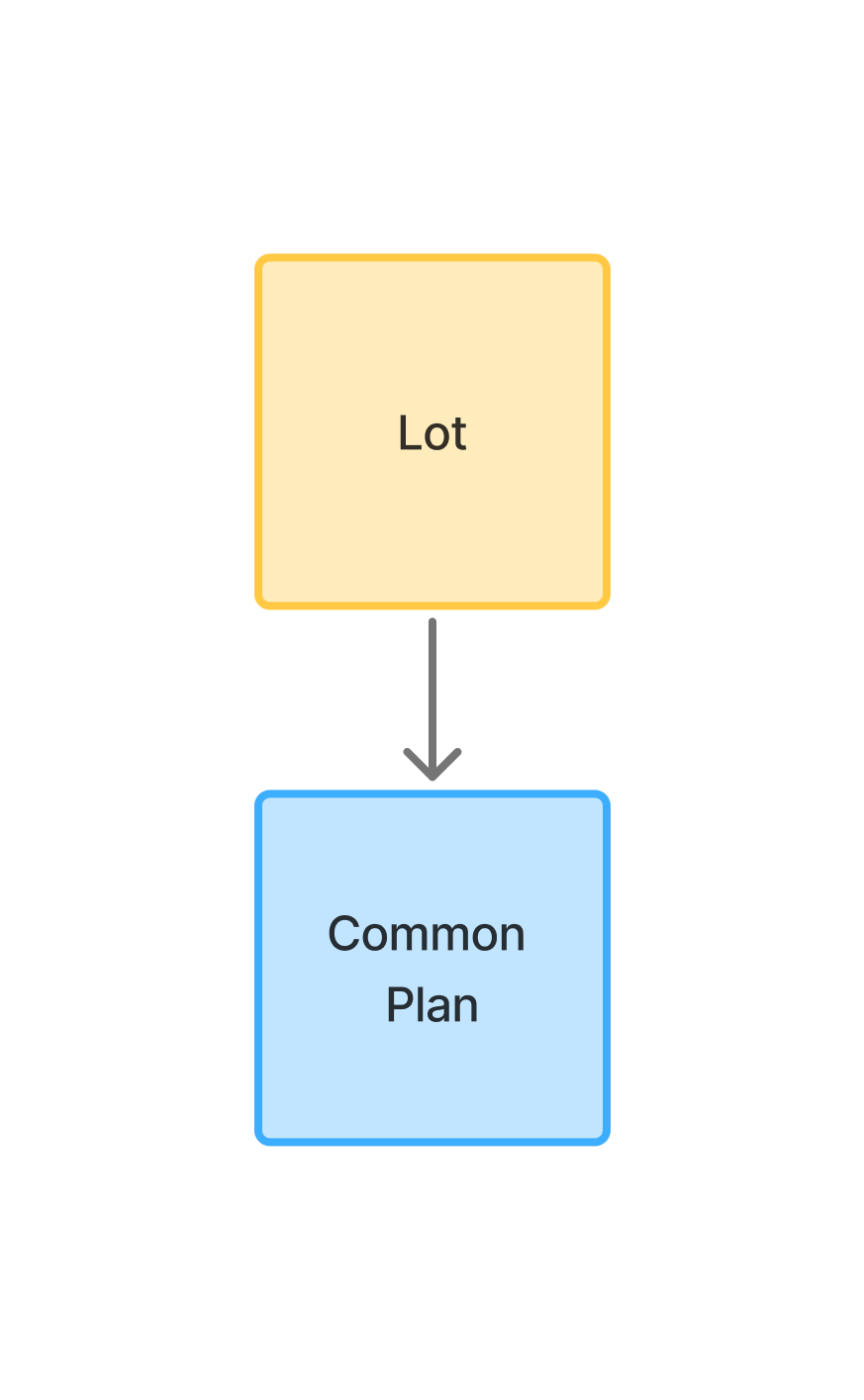
Single Strata Plan Title
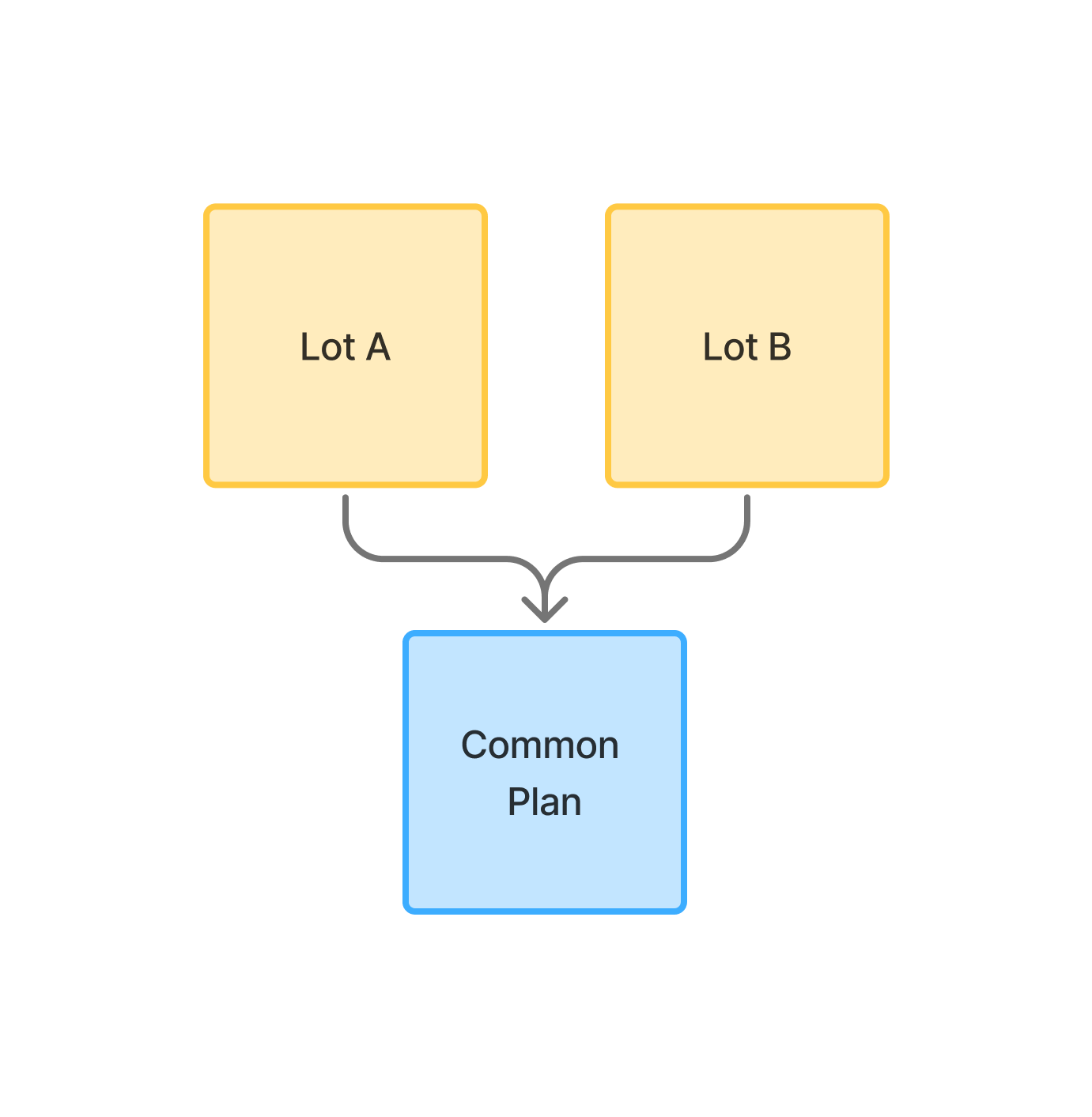
Multiple Strata Plan Titles with shared Common Property
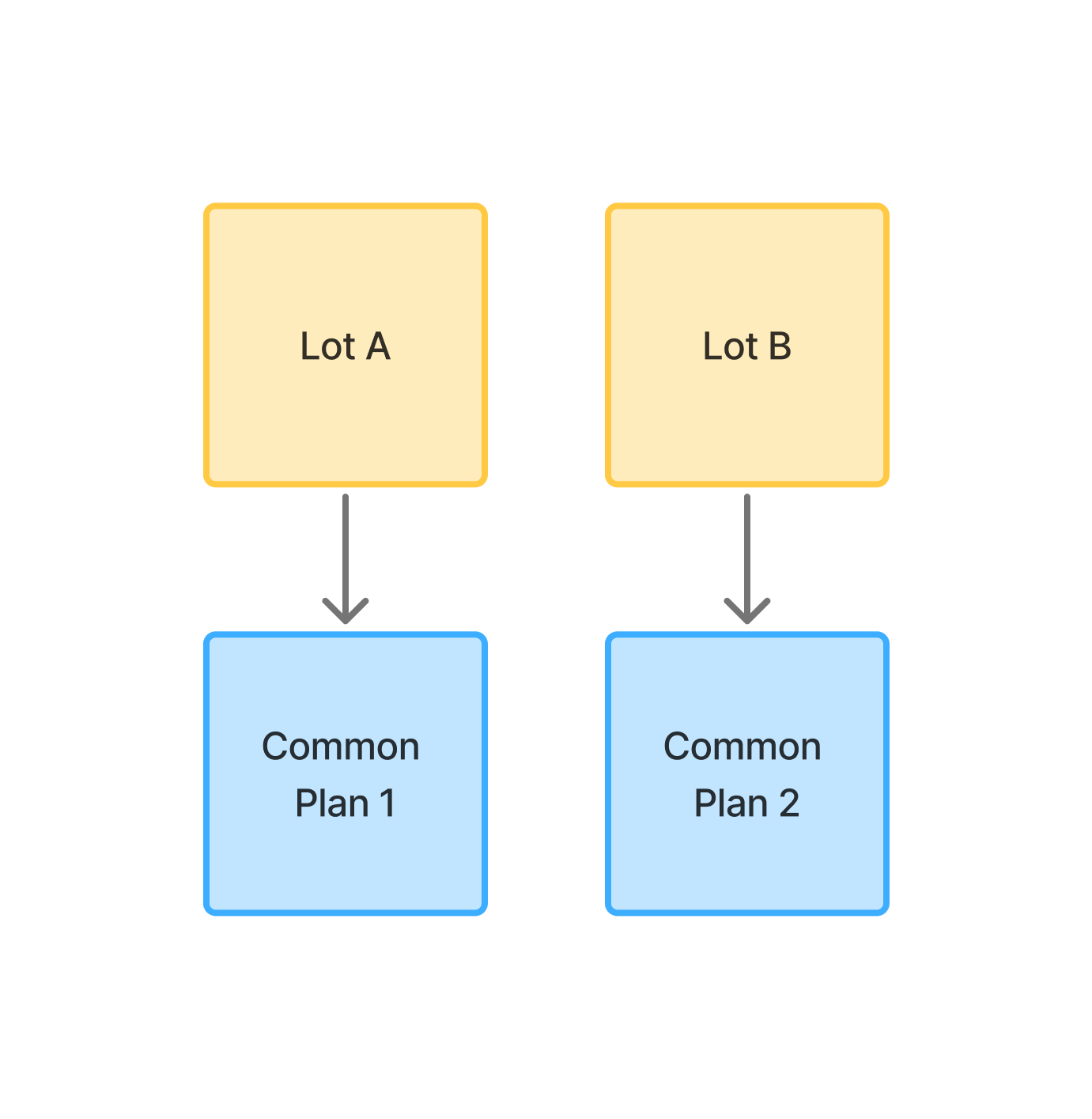
Multiple Strata Plan Titles with separate Common Property
Parent Plans with any structure
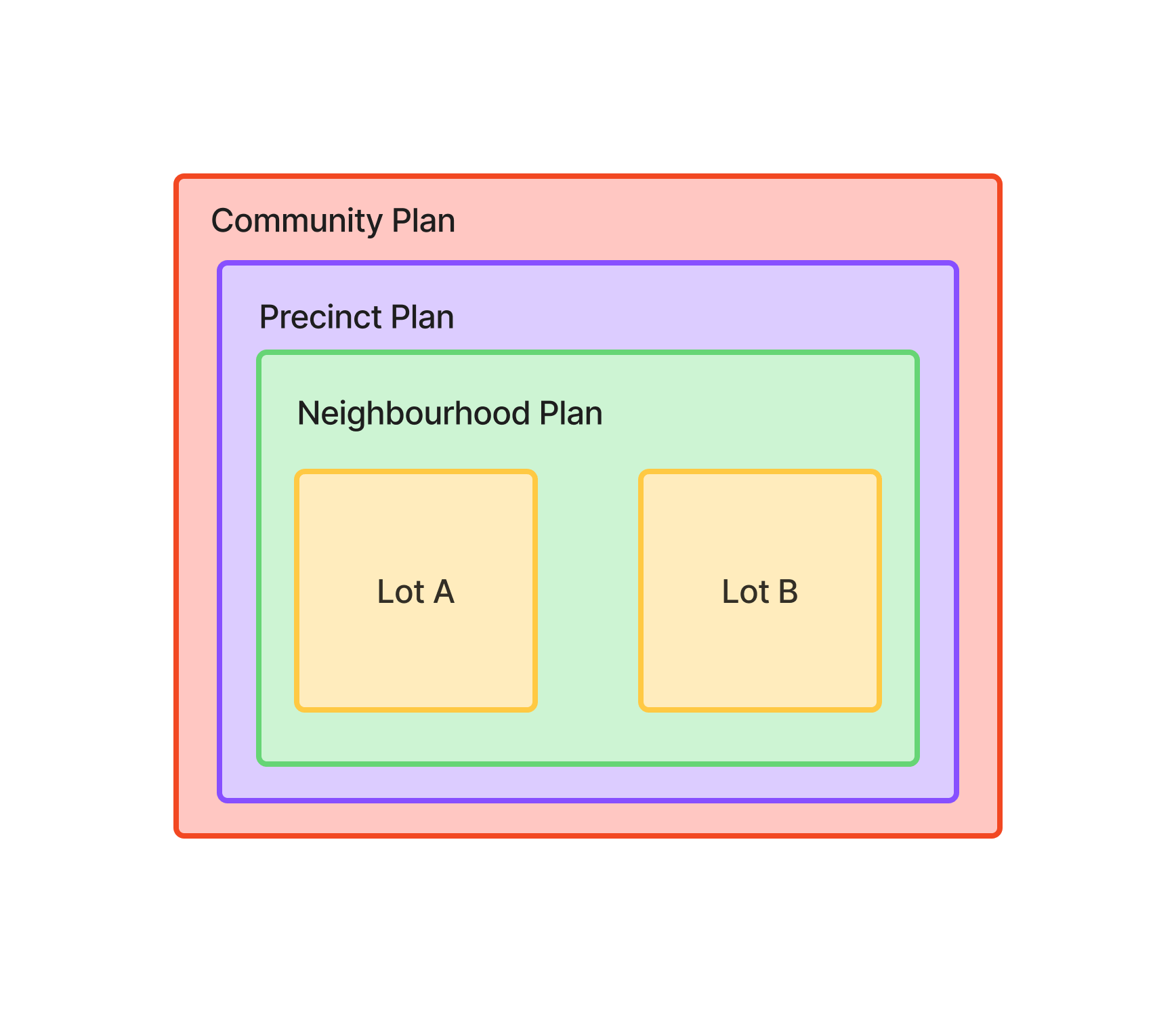
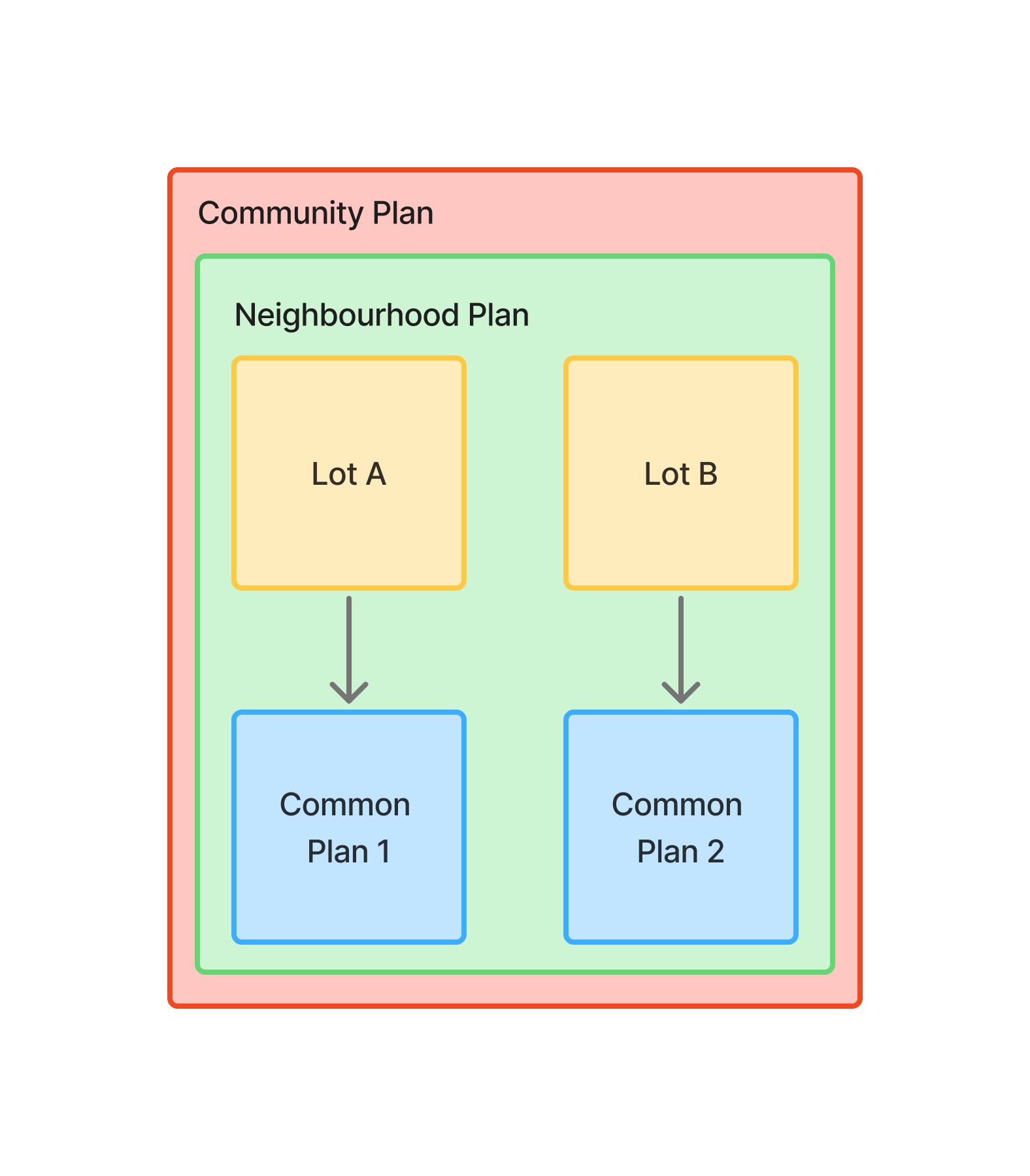
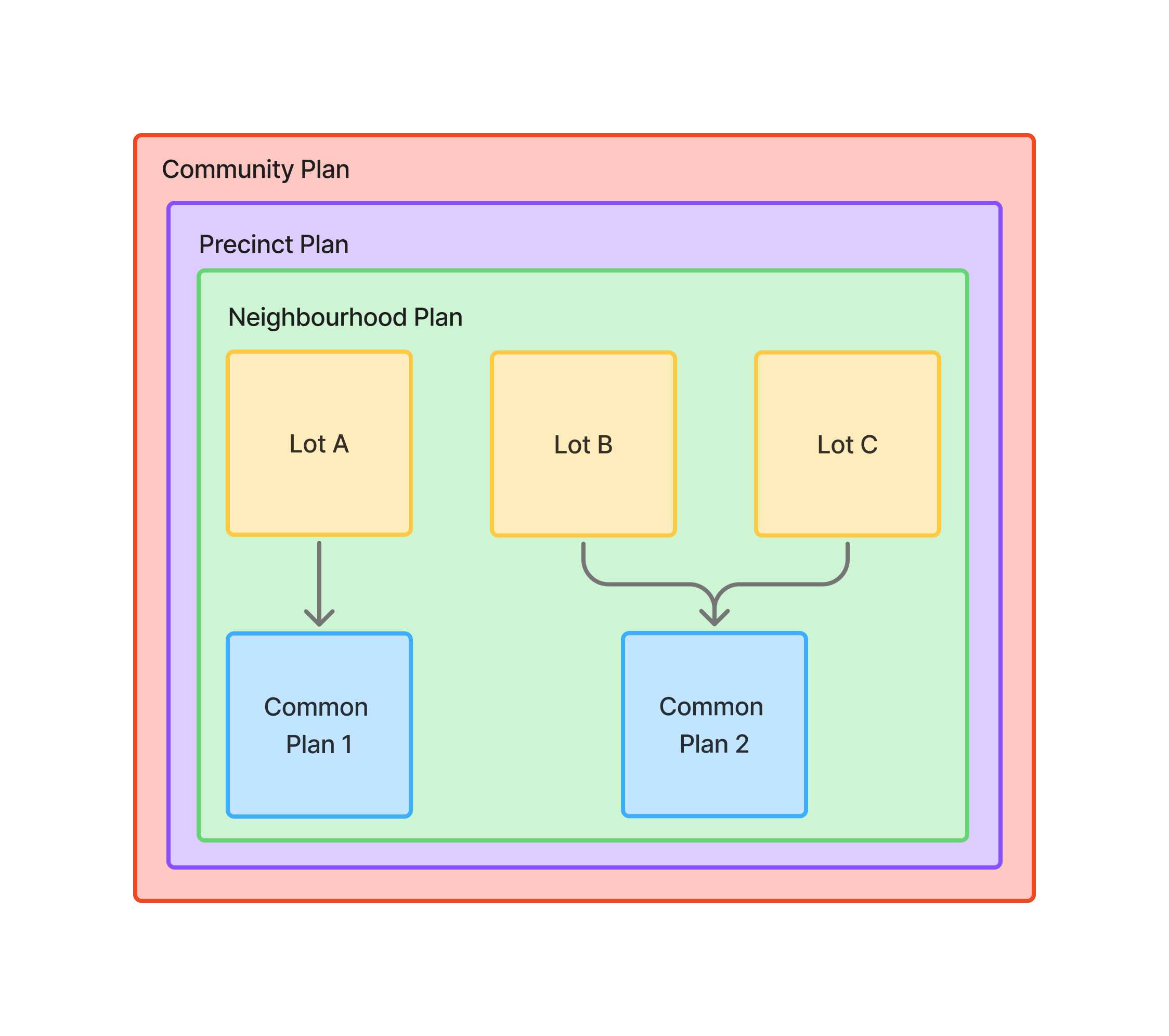
Any of the above structures can include one or more parent plans:
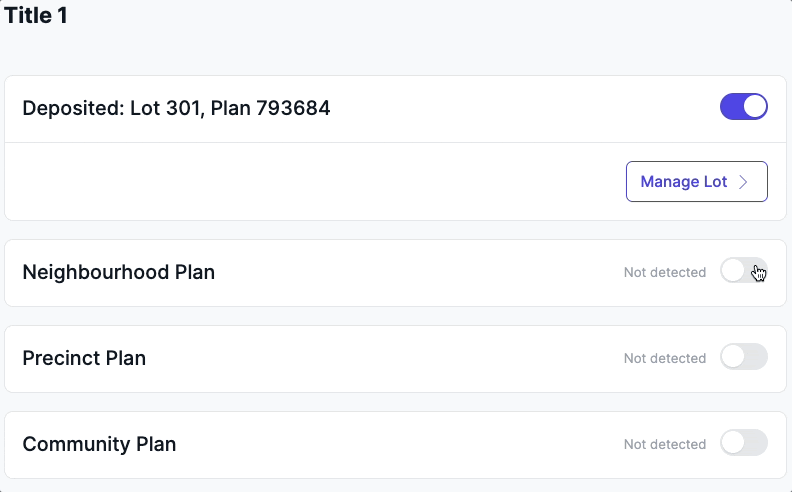
- Neighbourhood Plan: Shared across all Titles in the contract.
- Precinct Plan: Shared across all Titles in the contract.
- Community Plan: Shared across all Titles in the contract.
- Only one of each parent plan type can exist per contract.
 Automatic detection
Curia scans the contract front page for Title References and automatically:
- Creates one Title entry for each Title Reference found.
- Populates the Title Reference, Plan Type, and Lot/Section/Plan fields.
- Creates associated Title Searches by following the title chain.
You can then review and modify the automatically populated data as needed.
Adding a Title
To create additional Title entries:
- Navigate to the Title tab.
- Click Add new title.
- Enter the Title Reference and other required details.
- Set an optional nickname for identification.
Editing Title details
Each Title entry includes the following fields:
- Title Reference - the legal title identifier (e.g., 14/1076134)
- Nickname - optional friendly name (e.g., "Unit", "Car space") used throughout reports and navigation
- Plan Type - select from Deposited, Strata, or Auto Consol
- Lot/Section/Plan - lot, section (optional), and plan numbers
Removing a Title
To remove a Title entry:
- Click the trash icon in the right sidebar next to the Title.
- Confirm the deletion in the confirmation dialog.

Unregistered (off the plan) contracts
For unregistered contracts, titles are organised differently. The core operations for adding, editing, and removing titles work the same as described above, but the display and some fields differ.
Proposed and Parent Titles
Unregistered contracts display titles in two sections:
- Proposed Titles - the lots being purchased that are not yet registered. Displayed as "Proposed Title 1", "Proposed Title 2", etc.
- Parent Titles - the existing registered lots from which proposed lots will be subdivided.
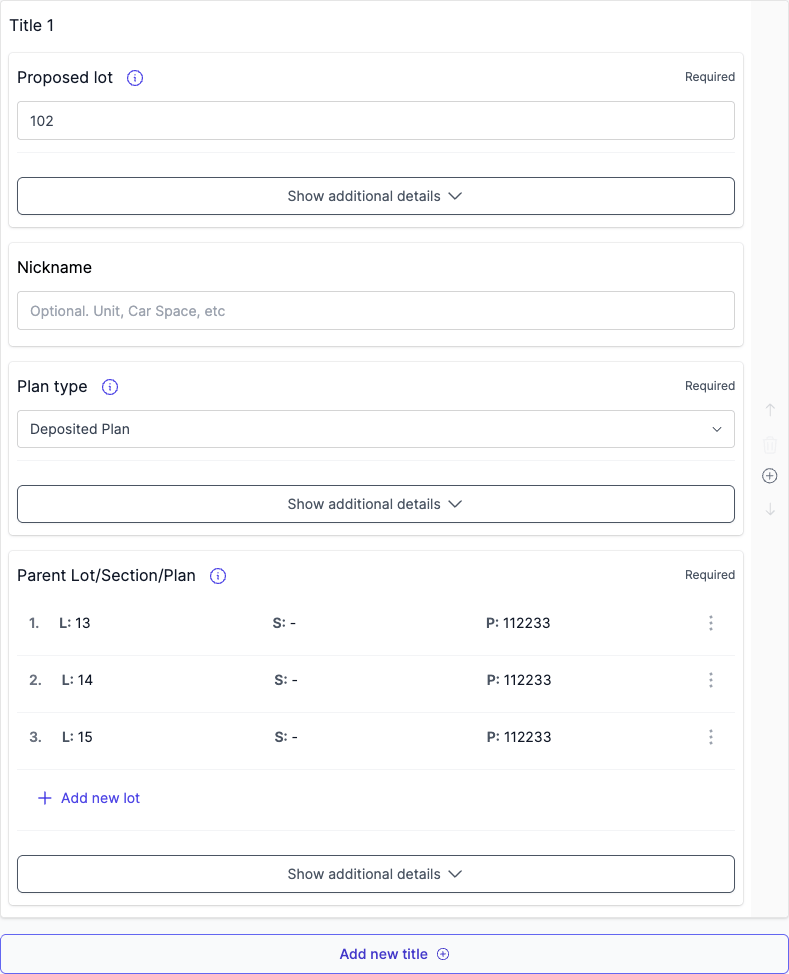
Parent Lot Section Plan field
The Parent Lot Section Plan field identifies the parent lot from which the proposed lot will be subdivided:
- Automatically extracted from contract particulars
- Can be manually modified if required
- Supports multiple parent lot references per proposed title
- Changes to this field affect the automatic generation of Parent Titles
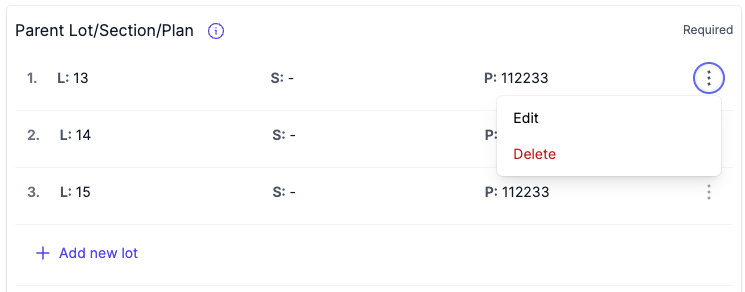
To add a parent lot reference, click Add new lot. To remove an existing reference, click Delete next to the entry.
Navigation
Single Title contracts:
- Title fields appear directly without additional navigation
- Click Manage to access Title Searches for the Title
Multiple Title contracts:
- Navigate to Titles to see all Title entries
- Click Manage title [number] to view details and Title Searches for that specific Title
- Use breadcrumbs for quick navigation between Titles
Changing settings
Changing plan type
The plan type setting determines which Title Search options are available:
- Changing plan type may affect available Title Search options
- Strata plans enable Common Property searches
- Changing from Strata to Deposited or Auto Consol immediately removes any existing Common Property Title Search
Changing registration status
Changing the Title registration setting affects how titles are displayed across the entire contract:
- Switching from Registered to Unregistered (or vice versa) changes the title display structure
FAQ
How does Curia detect multiple titles?
Curia scans the contract front page for Title References and creates separate entries for each title found.
Can I add a title that wasn't detected?
Yes. Click Add new title on the Title tab to manually create additional Title entries.
What happens when I remove a title?
Removing a Title permanently deletes all associated data including Title Searches, Dealings, and recommendations.
What's the difference between Proposed and Parent Titles?
Proposed Titles are the lots being purchased that don't yet exist in Land Registry Services. Parent Titles are the existing registered lots that will be subdivided to create the Proposed Titles.
Can I change a contract from Registered to Unregistered?
Yes, but this causes significant data loss. Title data, Title Searches, and dealings will need to be re-entered manually after changing the registration status.